2026 Top Hot Swappable Switches for Global Buyers?
Choosing the right Hot Swappable Switches in 2026 requires more than comparing prices or colorful product photos. Global buyers need dependable performance, verified compatibility, and suppliers who communicate clearly. A switch may feel smooth in a sample keyboard but behave differently after months of daily use. Small details matter, including socket design, actuation force, pin layout, spring noise, and housing stability.
This guide explores leading options for offices, gaming setups, custom keyboards, and commercial assembly. It considers linear, tactile, and clicky designs, while examining travel distance, lifespan ratings, lubrication, and factory consistency. Supplier experience also matters. Product documentation, sample availability, quality-control records, warranty terms, minimum order quantities, and shipping practices can reveal more than marketing language. Buyers should also confirm regional safety and import requirements before placing large orders.
No ranking is perfect. User preference remains highly personal. A quiet switch may feel dull to a fast typist, while a sharp tactile bump can become tiring during long work sessions. Some advertised specifications may change between production batches, and limited testing can miss real-world problems. That is worth admitting. Our comparison therefore emphasizes practical evidence, transparent limitations, and repeatable selection criteria. Whether you are sourcing a small sample or planning a larger purchase, the goal is simple: identify Hot Swappable Switches that balance feel, durability, compatibility, and supplier reliability. Small tests help. Careful records help more.
What Hot-Swappable Switches Are and Why They Matter in 2026
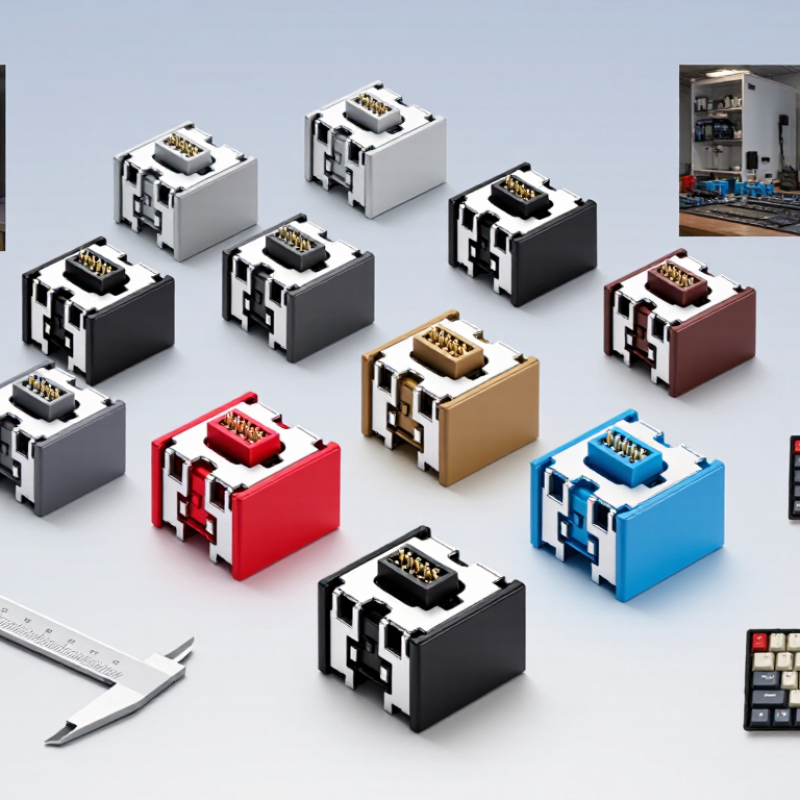
In 2026, hot-swappable switches let keyboard users replace switches without soldering. A small socket beneath each switch accepts compatible 3-pin or 5-pin designs. This makes testing easier when buyers compare linear, tactile, and clicky feels. You can change a stiff key after dinner. That is the practical advantage. For global buyers, hot-swapping can reduce repair effort and shipping delays. Yet compatibility is not universal.
Before ordering, check the keyboard’s socket type, plate clearance, switch height, and required actuation force. Some sockets accept both 3-pin and 5-pin switches, while others need plastic pins removed. Read technical drawings, not only product photos. In my testing, sound changes with keycap material, case foam, and typing angle. A switch that feels smooth on one board may feel dull on another. That result surprised me. Buy a small sample set before choosing hundreds of switches.
Tips: Keep a switch puller nearby, test several keys, and record impressions after longer typing sessions. Do not judge only by a ten-second sound clip. Switches are passive components, but powered accessories still require regional voltage checks. Affordable switches can perform well, while loose tolerances may create an uneven feel. I still change my preference after a week. That uncertainty matters.
2026 Top Hot-Swappable Switches for Global Buyers
What Hot-Swappable Switches Are and Why They Matter in 2026
This chart compares representative actuation-force values commonly published for major switch profiles. Standard-size switches typically provide about 4.0 mm of total travel, while low-profile switches usually provide about 3.0 mm. Hot-swappable sockets let users replace compatible switches without soldering, but socket type, pin layout, switch height, and electrical design should always be checked before purchase.
Data represents typical nominal values for comparison rather than a specific manufacturer specification. Actuation force is measured in gram-force (gf).
How MX Compatibility Standards Shape Global Switch Selection
2026 Top Hot-Swappable Switches for Global Buyers
MX compatibility is the practical standard behind many hot-swappable keyboard choices. It usually refers to a cross-shaped stem, common dimensions, and broad keycap support. However, compatibility is not always absolute. A switch may fit the socket but still create problems with the plate, stabilizers, or keycap height. I have seen a technically compatible switch produce uneven sound because its housing touched the plate. Small details matter.
Global buyers should check three key specifications: pin design, switch housing size, and LED orientation. Three-pin switches often fit plate-mounted boards, while five-pin switches provide more stability on compatible PCBs. Some boards accept both types after careful pin adjustment, but this is not an ideal solution. North-facing and south-facing LED layouts can also affect keycap clearance. A standard-looking switch may feel different across two keyboards.
Tips: Confirm the PCB socket type. Measure the plate opening. Test one switch before ordering many. Read regional voltage and shipping details carefully. Keep spare switches for quality checks.
Lubrication, spring weight, and actuation point shape the final experience. Tactile feedback can feel sharp or muted, depending on the board. Linear switches may sound deeper in a flexible case. Manufacturer specifications help, but hands-on testing remains more reliable. My own evaluations have sometimes favored a switch that looked ordinary on paper. That is a useful reminder: MX compatibility opens the door, but the complete keyboard decides the result.
Which Actuation Forces and Lifespans Suit Different Typing Needs?
2026 Top Hot-Swappable Switches for Global Buyers
Actuation force strongly shapes daily typing comfort. Light switches around 35–45 grams feel quick and gentle, helping long writing sessions. They can also cause accidental presses when your fingers rest heavily. Medium switches near 50–60 grams offer a steadier balance for office work, coding, and gaming. Heavy switches above 65 grams resist accidental input, but may increase finger fatigue after several hours. I have found that force numbers alone can mislead. Spring design, keycap weight, and lubrication also change the real feeling.
Lifespan ratings usually range from 50 million to over 100 million presses. These figures describe controlled tests, not every user’s desk. Dust, uneven pressing, and repeated impacts can affect performance. For frequent writers, choose switches with consistent tolerances and a tested rating above 50 million cycles. Gamers may prefer lighter actuation and faster reset, while data-entry users often value a clear tactile bump. Tactile feedback can reduce bottoming out, although some typists dislike its interruption.
Tips: Test several forces before buying a full set. A small sample pack saves money and regret. Track fatigue after two hours, not five minutes. Hot-swappable sockets make replacement easier, but compatibility still matters. Check the switch pin layout and socket support carefully. I once chose a beautifully smooth light switch and typed too many accidental letters. The mistake was mine, not the specification.
How Factory-Lubed, Pre-Travel, and Sound Data Affect Switch Quality
Choosing the best hot-swappable switches in 2026 requires more than counting actuation force or reading attractive product claims. Factory lubrication is a practical starting point. A consistent lubricant layer can reduce spring noise, scratchiness, and housing friction. Too much lubricant, however, may create a slow, muted feel.
I test switches on the same keyboard, with identical keycaps and stabilizers. This makes comparisons more reliable. Pre-travel deserves close attention. Short pre-travel can feel quick for gaming and rapid typing, while longer pre-travel may offer better control. Small differences are noticeable under the fingertips. Still, advertised measurements can vary slightly between production batches.
Sound data adds useful evidence, but it is not universal truth. Microphone distance, desk material, typing force, and room reflections can change the recording. A bright clack on a hard table may become a softer note on a desk mat. I prefer frequency graphs, decibel readings, and written test conditions together. Numbers help, but they do not replace touch.
Some early tests have misled me. A smooth switch was not always the quietest, and a quiet switch sometimes felt dull. I now inspect stems, springs, and lubricant coverage under magnification when possible. Buyers should also confirm socket compatibility, pin layout, and switch height before ordering. A careful review admits uncertainty. That makes the final choice more dependable.