
English


Global buyers enter 2026 facing supply networks that are faster, more digital, and less predictable. Supply Chain Governance provides the operating discipline behind resilient sourcing, supplier accountability, and responsible risk decisions. It connects board oversight with practical controls, from a supplier’s factory records to a shipment’s customs documentation.
The World Economic Forum’s Global Risks Report 2025 identifies geoeconomic confrontation, extreme weather, and misinformation among major business risks. These pressures can interrupt a critical component, delay a port booking, or weaken confidence in supplier data. Deloitte’s 2024 Global Chief Procurement Officer Survey also highlights continued pressure to improve resilience, digital capability, and procurement value. The message is practical: low purchase price alone is no longer a reliable measure of supply performance.
Reliable governance requires evidence. Buyers should define approval rights, maintain supplier risk registers, test business continuity plans, and monitor corrective actions. The OECD Guidelines for Multinational Enterprises on Responsible Business Conduct offer a recognized framework for due diligence across global value chains. ISO 37301 can also support structured compliance management. Yet frameworks do not fix weak execution.
Small details matter.
A missing certificate, outdated bank account, or unverified subcontractor can create serious exposure. Some organizations still treat annual supplier questionnaires as sufficient. That approach deserves challenge. Conditions change between audits. Effective governance therefore combines documented standards, trained teams, independent checks, and timely escalation. This 2026 guide examines how global buyers can build that system with measurable controls, clearer accountability, and enough flexibility for real operating conditions. Perfect visibility remains unlikely. Better decisions are achievable.
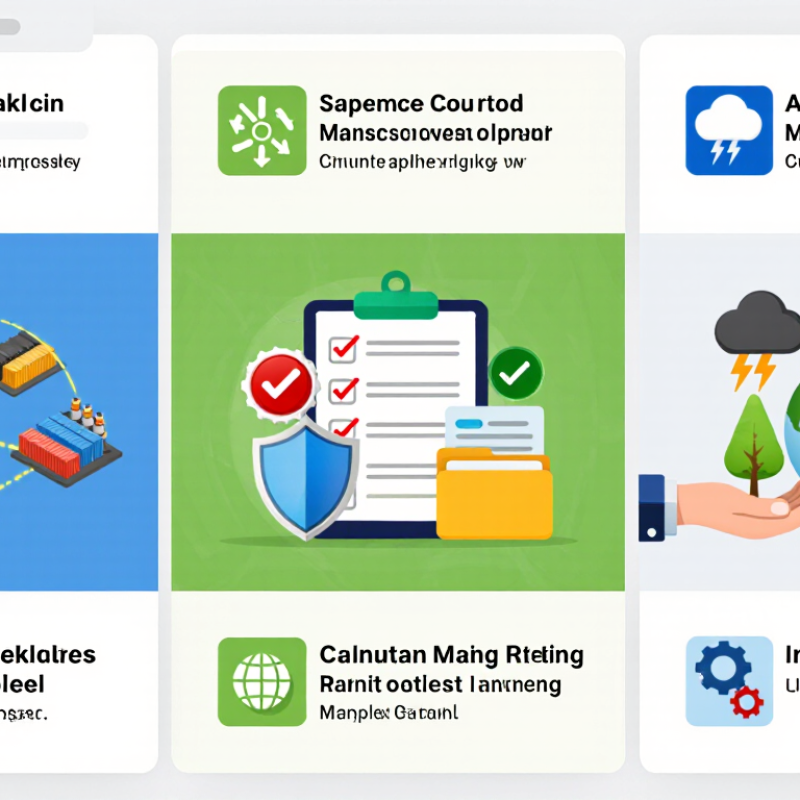
Supply chain governance in 2026 is the operating system behind responsible global buying. It defines decision rights, supplier expectations, data ownership, and escalation paths. Its scope reaches procurement, quality, logistics, finance, compliance, and key suppliers. Without clear boundaries, small delays can become expensive disruptions.
Clarity sets responsibilities, approval limits, and shared data definitions.
Capability ensures teams can assess supplier capacity, quality risks, and delivery performance.
Controls create traceable approvals, documented audits, and separation of duties.
Collaboration connects internal functions with suppliers through regular reviews and honest reporting.
Continuity prepares alternative sources, inventory triggers, and recovery exercises.
Executives set risk tolerance and resources.
Governance leaders maintain policies and review serious exceptions.
Category managers monitor supplier performance and corrective actions.
Operational teams verify records, shipments, and production signals.
Suppliers should report changes early, not after a missed delivery.
In practice, a dashboard can still hide weak data. That gap matters. A monthly review may look disciplined while unresolved issues remain open for months. Buyers should test controls with sample invoices, shipment records, and supplier evidence. They should also question their own assumptions. Perfect governance is unlikely. Better governance learns quickly, records decisions clearly, and gives people permission to raise uncomfortable concerns.
QUICK LINKS
CONTACT US
Office: (+86) 755 23040566
Tel: (+86) 158 9965 5195
E-mail: sale@pcbledmodule.com
Skype: Hans@Rocket-PCB
Whatsapp: 86 1589965 5195
Office Address: 2207,Bid 4,He Gu Shan Hui Cheng,35#,Guang Tian RoYanluo street, Song Gang Town,518105 SHENZHENG, CHINA
Plant ADD.: No 69, Lianfeng North Road, Xianxi Area, ChangAn Town, Dongguan, China.


Copyright © 2025 Rocket PCB Solution Ltd. | All Rights Reserved Sitemap Friendship link: CNC machining heat sink

